Рисованная иллюстрация в ChatGPT
Описание промпта
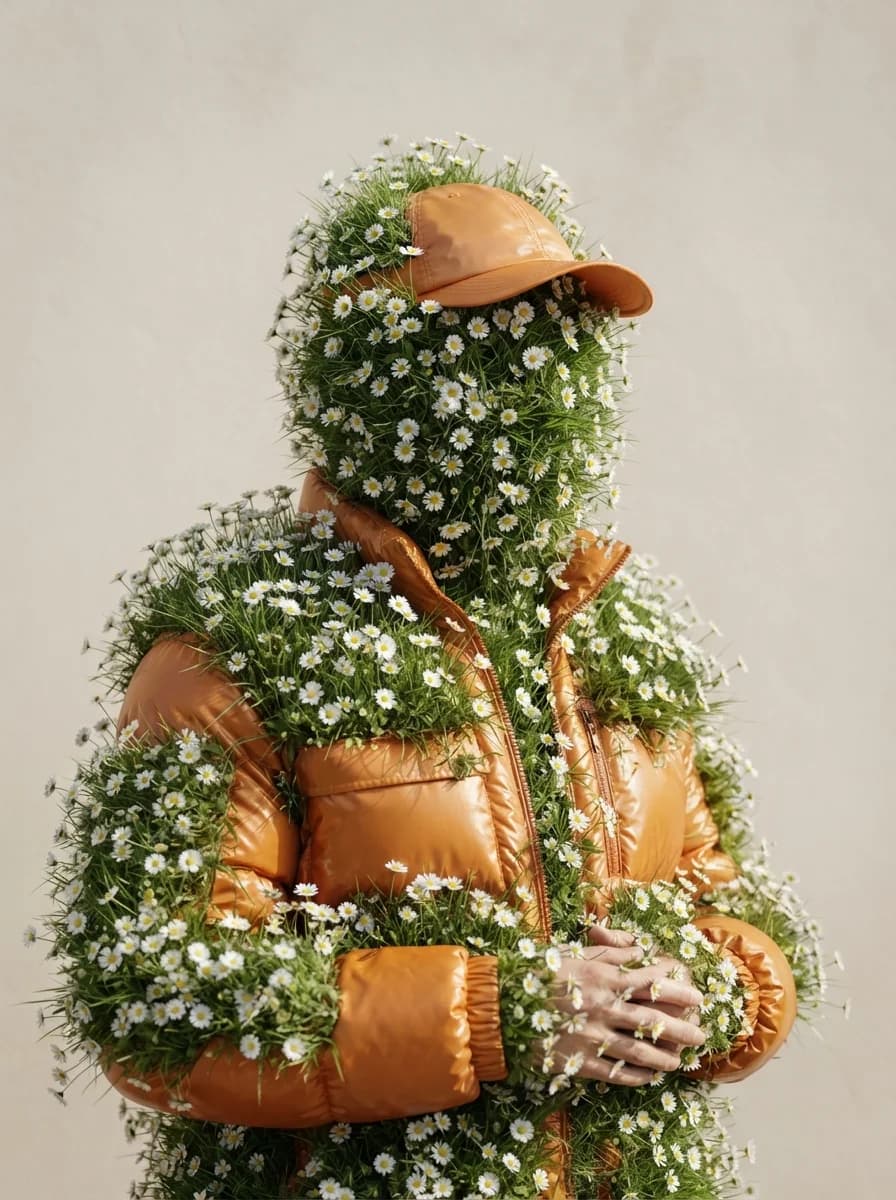
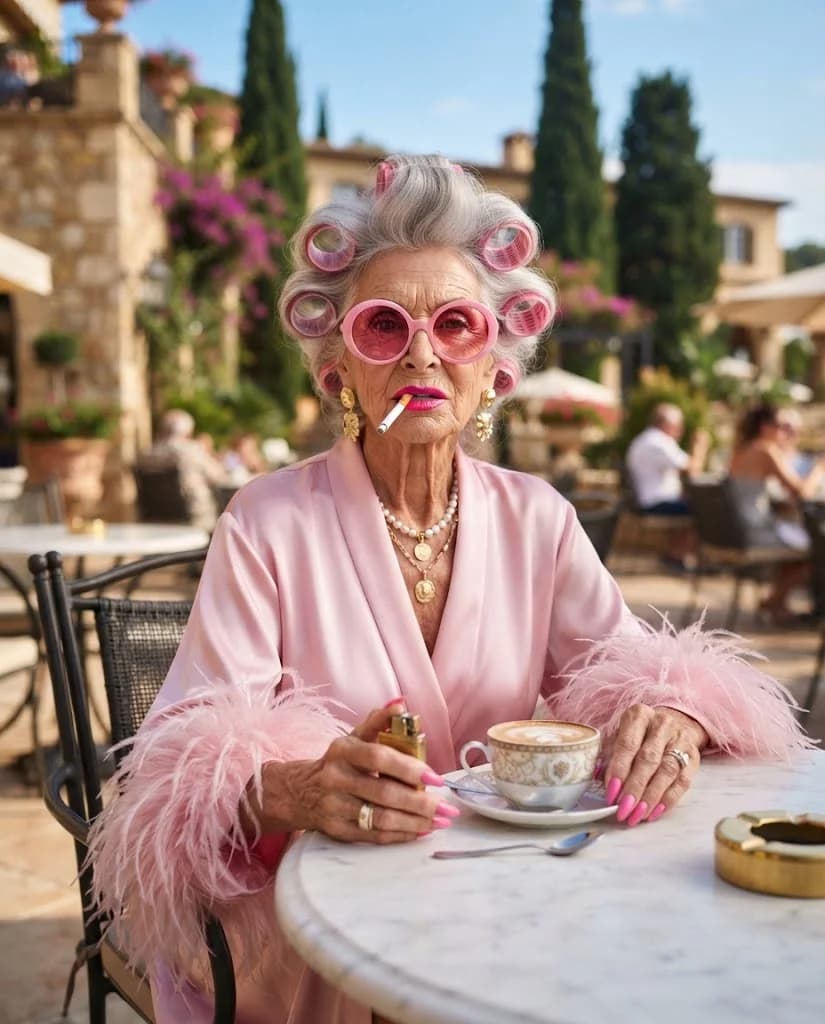
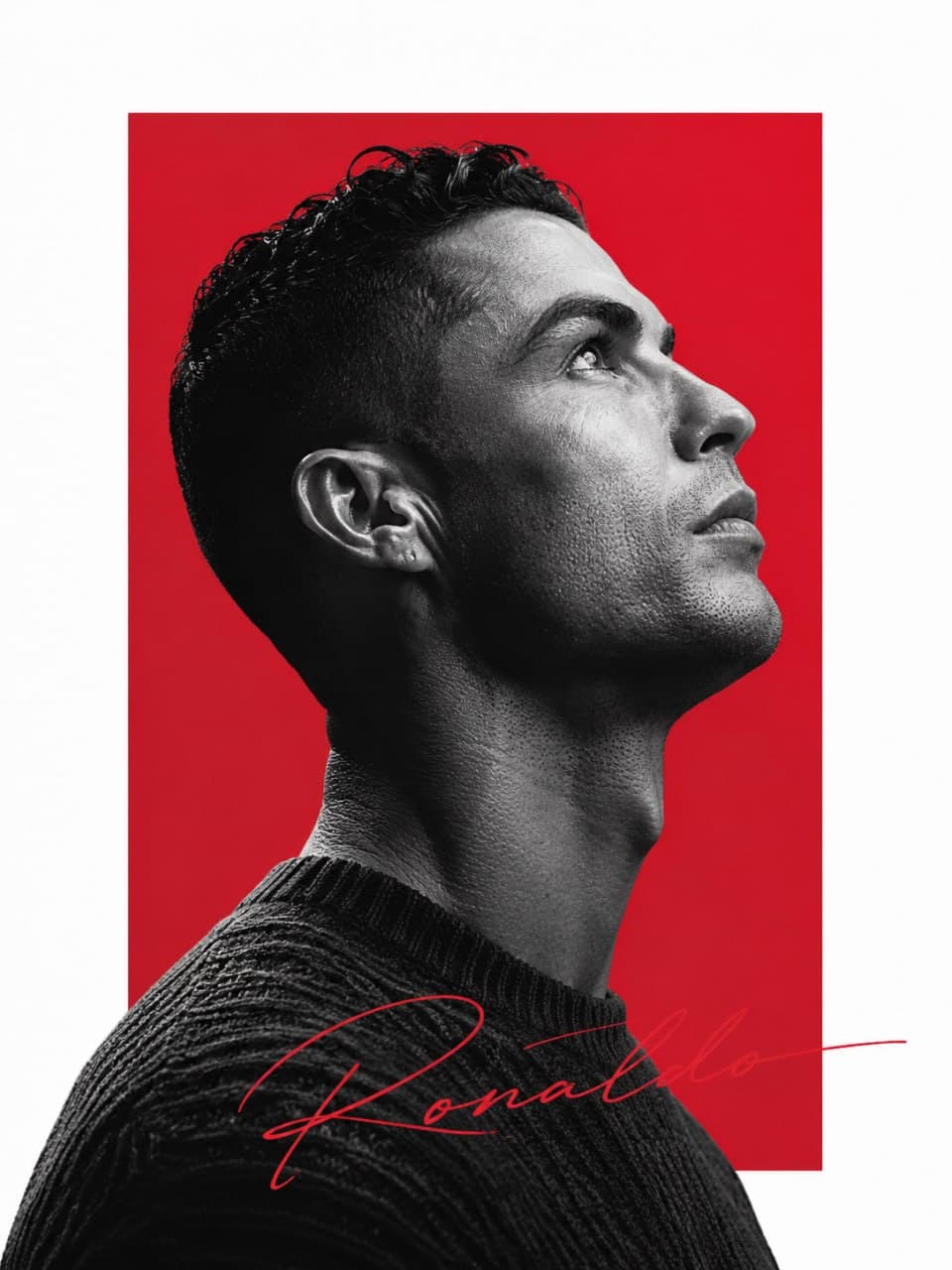
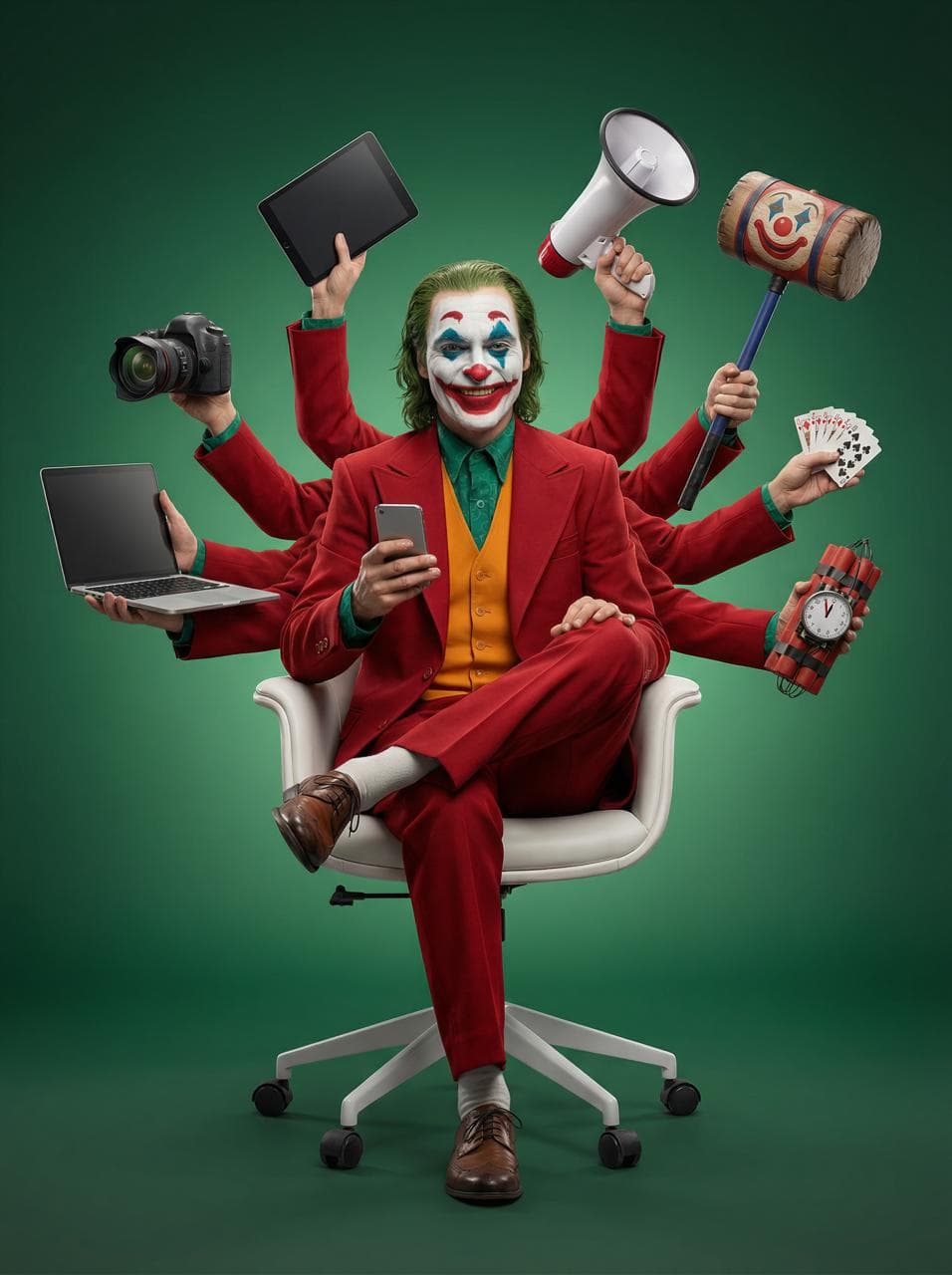
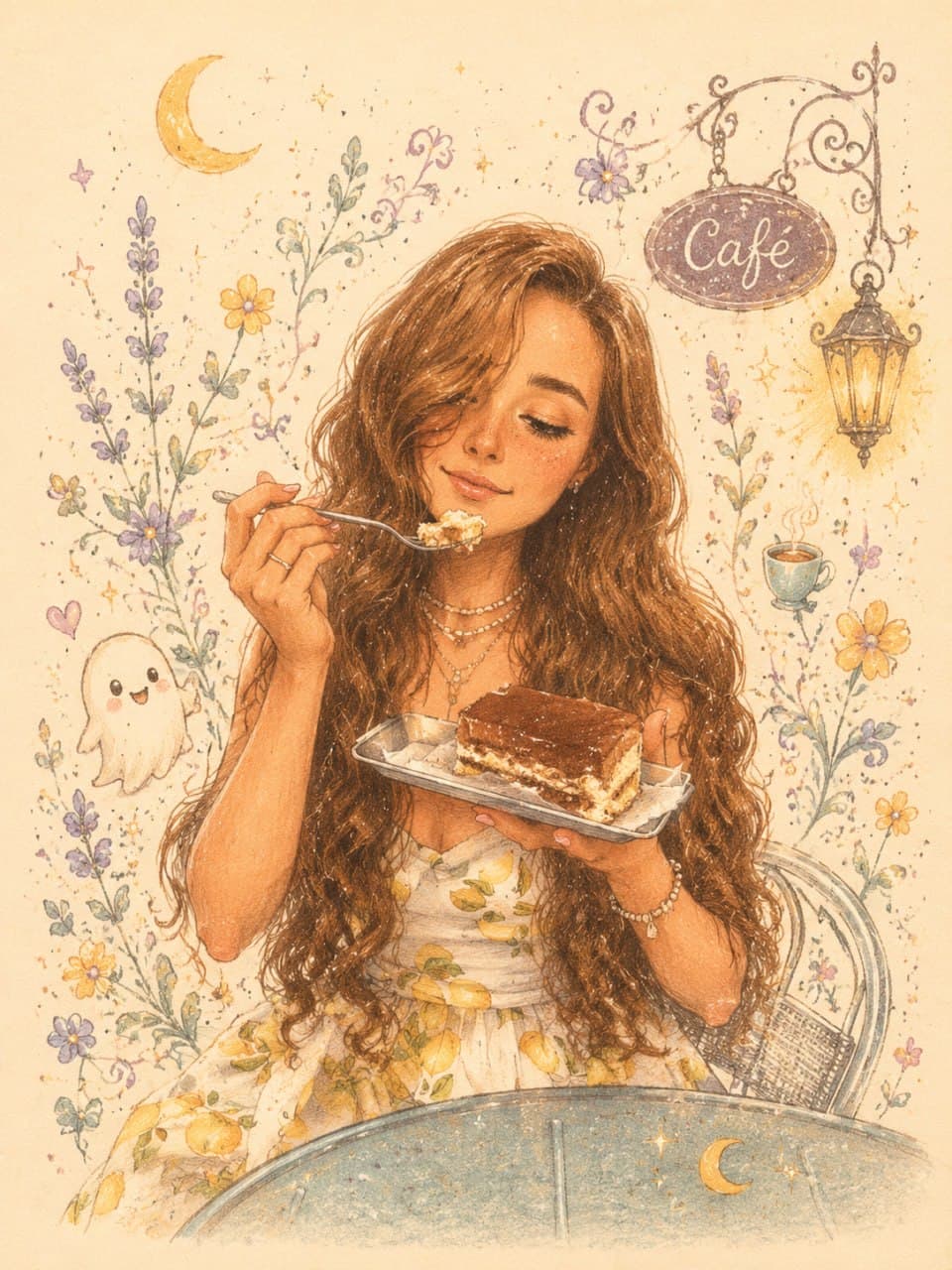
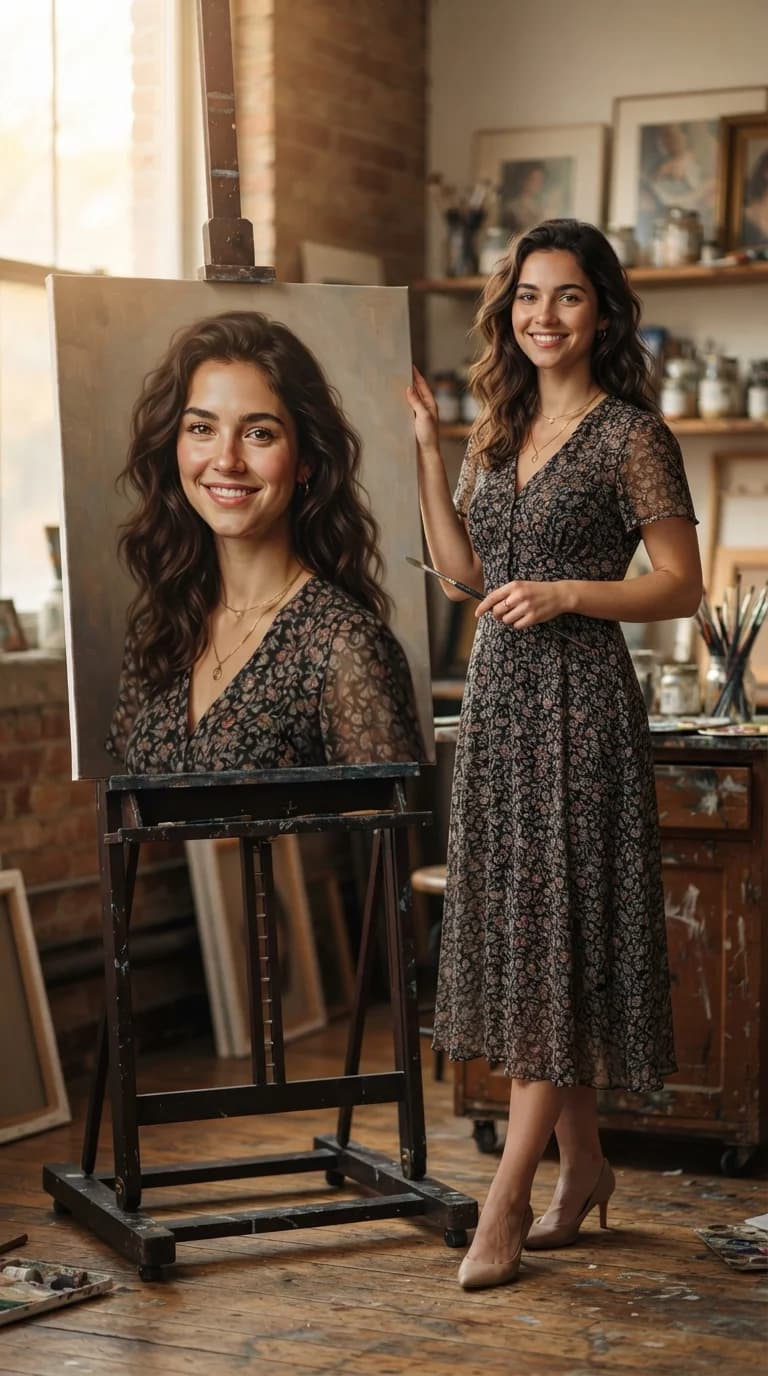
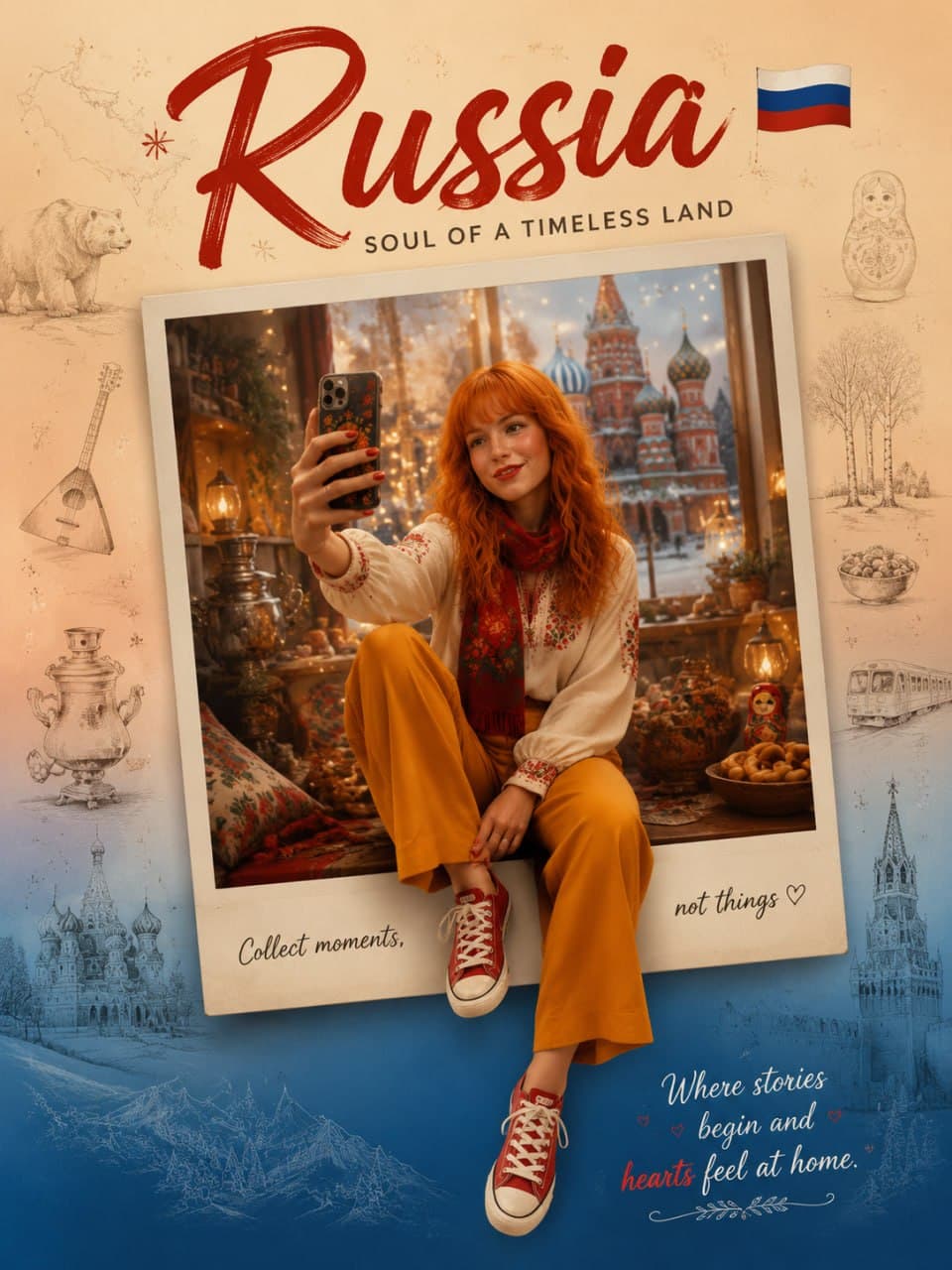
Промпт превращает загруженное пользователем изображение в утонченную редакторскую иллюстрацию с чистыми линиями и сдержанной цветовой гаммой. Инструмент подходит для создания визуального контента под премиальные издания, открытки, арт-принты и рекламные кампании. В тексте промпта можно настроить тему, сюжетные детали, общую атмосферу и текст на русском языке, который органично вплетается в композицию в виде каллиграфии. В результате получается гармоничная, эмоционально выразительная работа с выверенной иерархией и поэтичным настроением.


1 / 4
Use the user’s uploaded image as the primary reference. Transform it into a refined editorial illustration while preserving the original image’s essential visual identity: main subject, pose, composition, camera angle, key objects, scene structure, and emotional atmosphere. Do not redesign the scene from scratch. If the user provides a topic or phrase, incorporate it. If no topic is provided, infer the most suitable theme from the image. If no text is provided, create one short poetic RUSSIAN phrase that suits the image and integrate it naturally into the illustration. Style: Create a high-end editorial illustration with clean elegant hand-drawn linework, simplified but recognizable forms, controlled negative space, soft restrained colors, subtle handcrafted texture, and a polished poetic lifestyle mood. The result should feel suitable for premium publishing, stationery, art prints, or illustrated campaigns. Typography: Render any text as expressive RUSSIAN calligraphy or refined editorial typography. It must be clearly readable and organically integrated into the scene, not pasted on. Let it follow the flow of the composition and interact naturally with the surrounding environment when appropriate. Composition: Build a clear hierarchy between subject, supporting elements, typography, and open space. Keep the image elegant, breathable, cohesive, and emotionally resonant. Visual storytelling: All elements must feel connected and alive. Use restrained symbolism, subtle narrative hints, and meaningful details instead of excessive decoration. Avoid: major composition changes, identity changes, unnecessary object replacement, clutter, heavy watercolor bleeding, thick painterly rendering, generic stock-illustration aesthetics, childish clip-art style, repetitive AI motifs, distorted anatomy, unreadable RUSSIAN text, and pasted-on typography. Final result: A competition-level editorial illustration with poetic storytelling, integrated RUSSIAN lettering, strong recognizability, and high commercial-artistic value.

Подпишись, чтобы
ничего не пропустить
Бесплатные промпты для нейросетей на русском, новости ИИ и уроки по генерации фото, видео и текста, доступные на всех площадках.